Tracking guide
How to keep a medication log for your child
Medication details are easy to mix up when a child is sick. A simple log helps parents and caregivers stay clearer.
Updated June 24, 2026 · 6 minute read
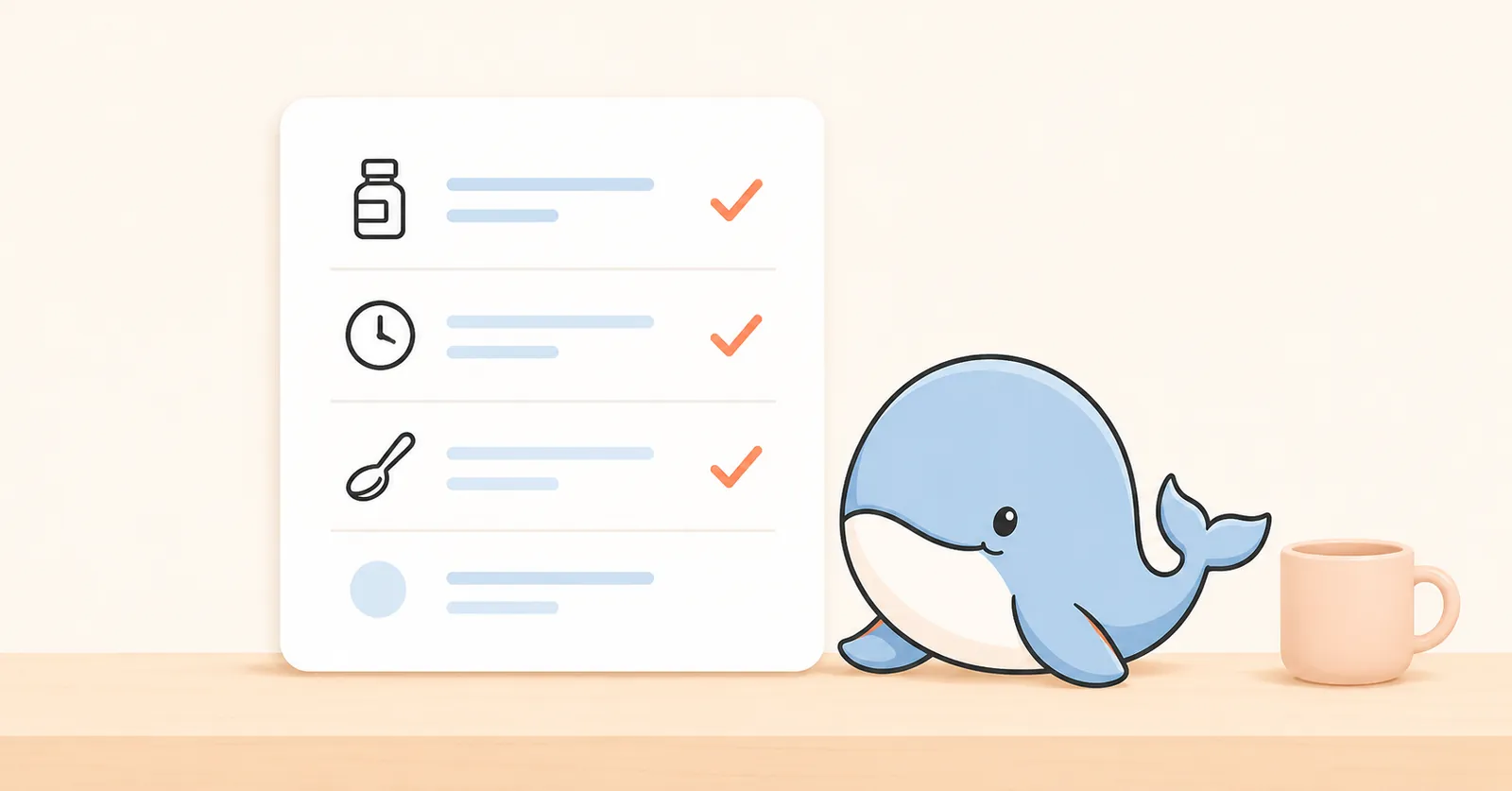
When a child is unwell, medication details can become blurry fast. You may remember that you gave something, but not the exact time. Another caregiver may not know whether the dose already happened. A simple medication log reduces that confusion.
What to write down
- Medication name
- Dose or amount
- Time given
- Reason it was given
- Who gave it
- Any side effects or follow-up questions
Why time matters
Writing “afternoon” may not be enough later. A time like 3:00pm is more useful when you are checking spacing, remembering patterns, or explaining the day to a clinician.
When multiple caregivers help
If one parent, grandparent, babysitter, or nurse gives a medication, everyone else needs the same information. A shared log is better than relying on a text thread that gets buried.
How Calmemo helps
With Calmemo, parents can text naturally instead of opening a spreadsheet. The message becomes part of a private family journal that can later be summarized for an appointment. If your child takes more than one medicine, see keeping doses straight with more than one prescription; for fevers, see how to track a child fever at home.
Want to try Calmemo?
Calmemo's public beta is open now. Your first 30 days are free, with no credit card required to start — choose Telegram or WhatsApp and Chester sets you up in about two minutes.
Choose your country to startNo medical advice. No emergency monitoring. Just a private family journal.